|

 |
Older homes can significantly reduce their consumption of fossil energy and their emission of carbon, which are key steps towards addressing the energy & environmental challenges facing Canada. (this task is easy for new homes, but that's another story)
NRCan data estimate that 15 million households in Canada (all houses & apartments, total floorspace of 25 billion ft2) consumed 406 billion kWh of secondary energy in 2022, of which 328 billion kWh (81%) was for the thermal end uses of space heating, space cooling & water heating. Every ft2 of floorspace consumed 13 kWh that year for thermal applications, which would vary depending on the type of dwelling, its age, location, number of occupants, and other factors.
For carbon emissions, the residential sector emitted 56 billion kg that year, of which 48 billion kg (87%) was from the three thermal applications. That is 2 kg every year for every ft2 of floorspace for thermal (another 0.1 kg for lights & appliances) or 3,148 kg for each dwelling across Canada.
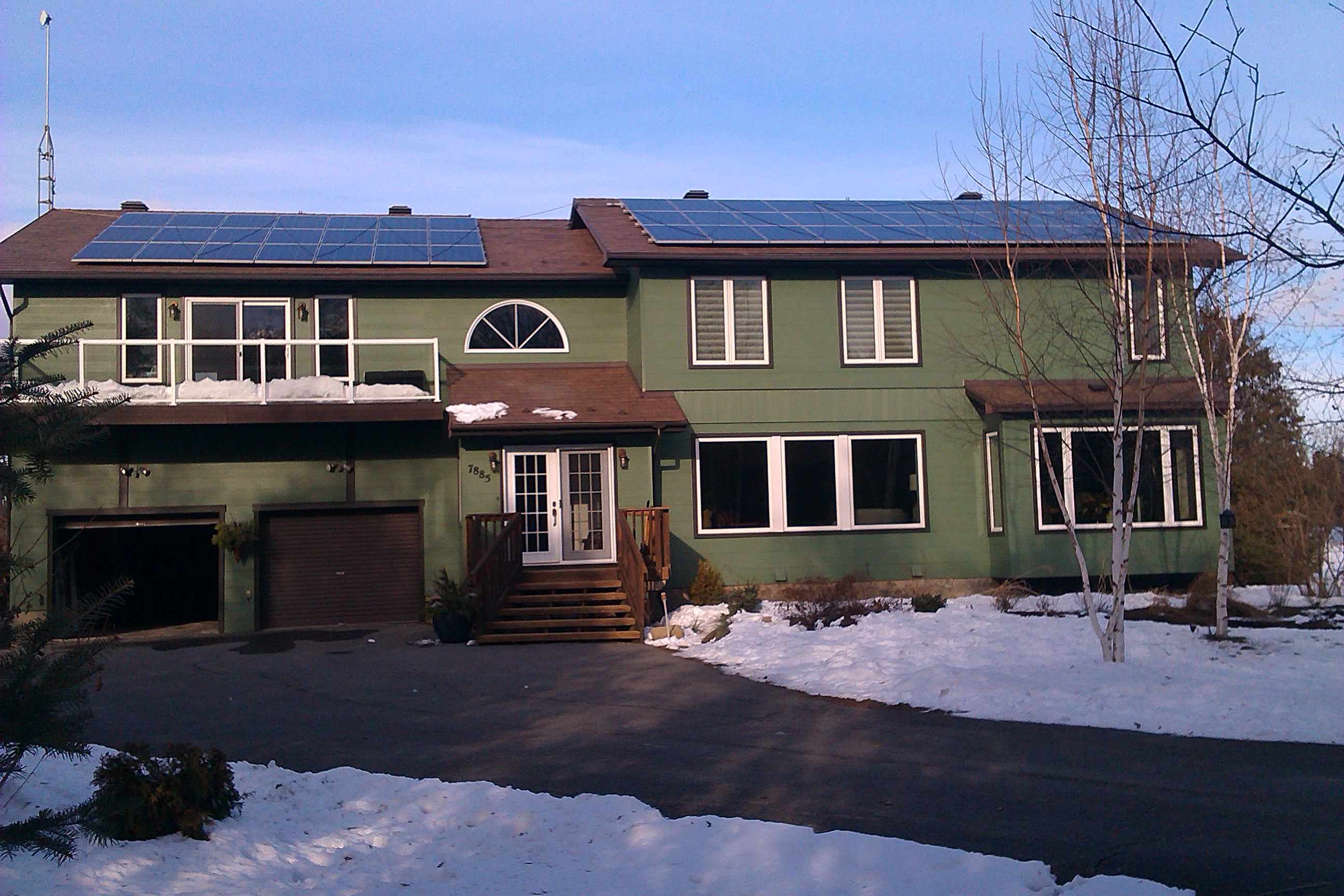
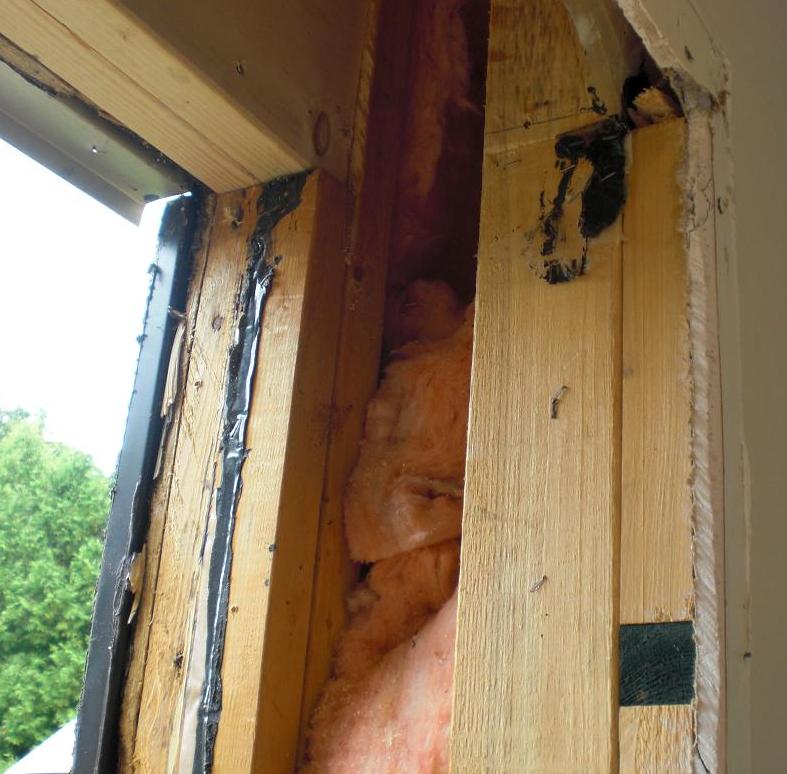
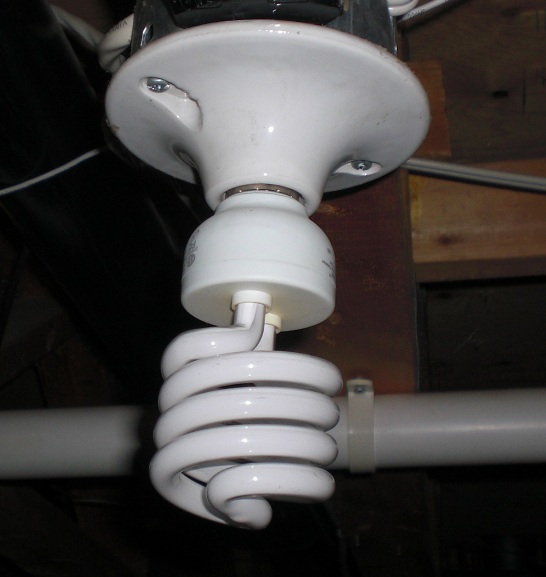
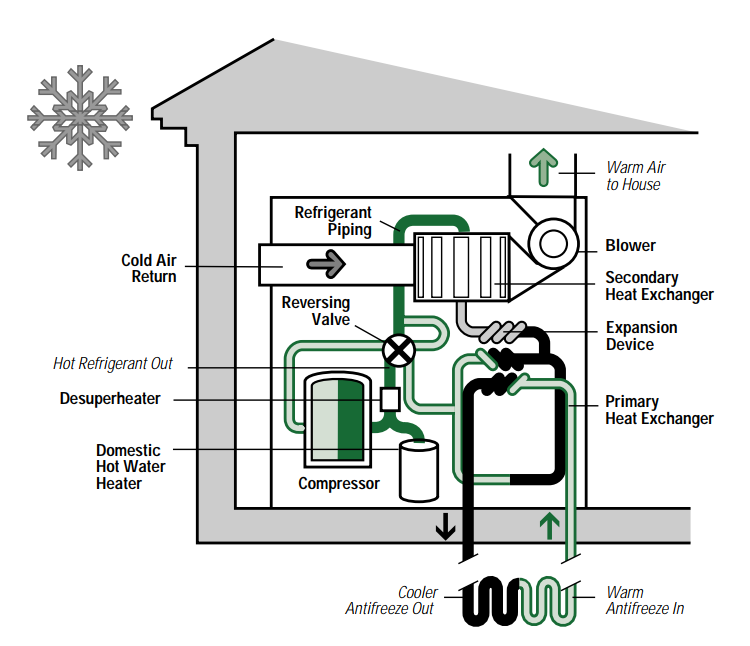
My 3,700 ft2 home in rural Ottawa was built in 1984 with south-facing orientation and double-wall construction. In 2006, shortly after moving in, we upgraded insulation and implemented basic conservation measures such as converting to LED lights, adding set-back timers & motion sensors, sealing walls against air leakage, installing destratification fans, adding rain barrels, planting dozens of trees, swapping to low-flow toilets, covering ashpalt shingles with an Energy Star metal roof (which increased the efficiency of roof-mounted solar panels to be added later) and upgrading to Energy Star for all appliances & windows (most windows were swapped to triple-pane with double low-E coating & Krypton gas). The interior was refurbished in compliance with LEED guidelines by recycling building materials and installing FSC-certified teak flooring, among other actions. Our eco-sin was to import granite from Brazil for the kitchen countertops. We installed a heat recovery ventilator and replaced the propane furnace with a ground source heat pump that I designed and installed.
The result was annual energy consumption of 4.4 kWh per ft2 (total of 16,300 kWh for the house) compared with the average of 13 kWh, and carbon emission were 400 kg, lower than the 10,000 kg from a normal house of this size. We retained one of the old propane tanks for cooking and for emergency space heating.
Our NetZeroPLUS heat pump produced & delivered the home's total thermal demand from renewable energy on a dispatchable basis (no batteries required), and 93% of all grid electricity needed for lights, appliances and heat pump operation was consumed in off-peak TOU period. This results in a major load-levelling benefit for distribution utilities, allows a cost of as low as 2.8¢ per kWh, and eliminates most of the need for gas pipelines across the country.
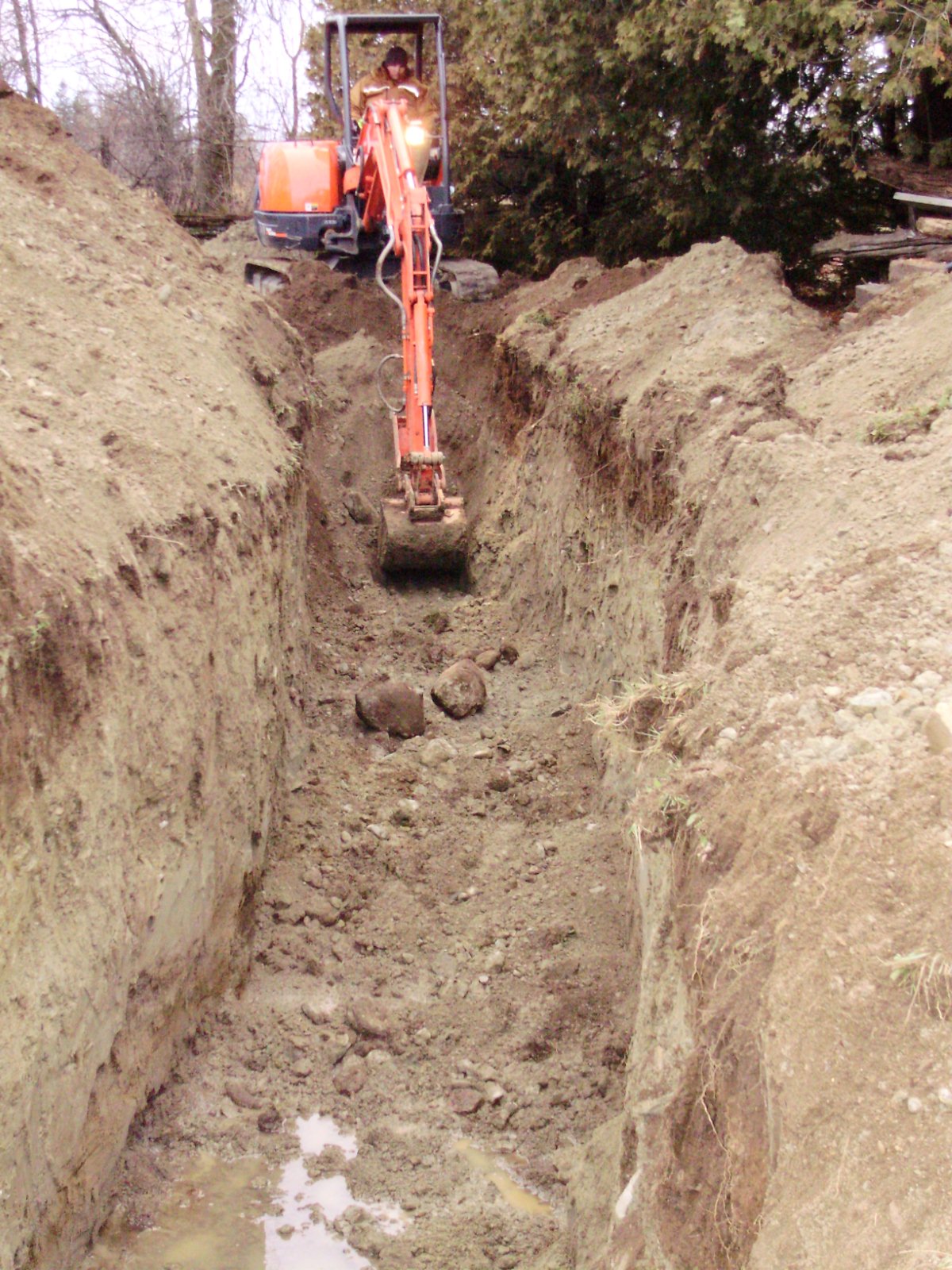
I spent many years in the geothermal sector, and I designed the horizontal loop to be deeper & longer than required so there was no danger of loop freezing. Our 10 kW emergency backup heater was never activated in 14 years.
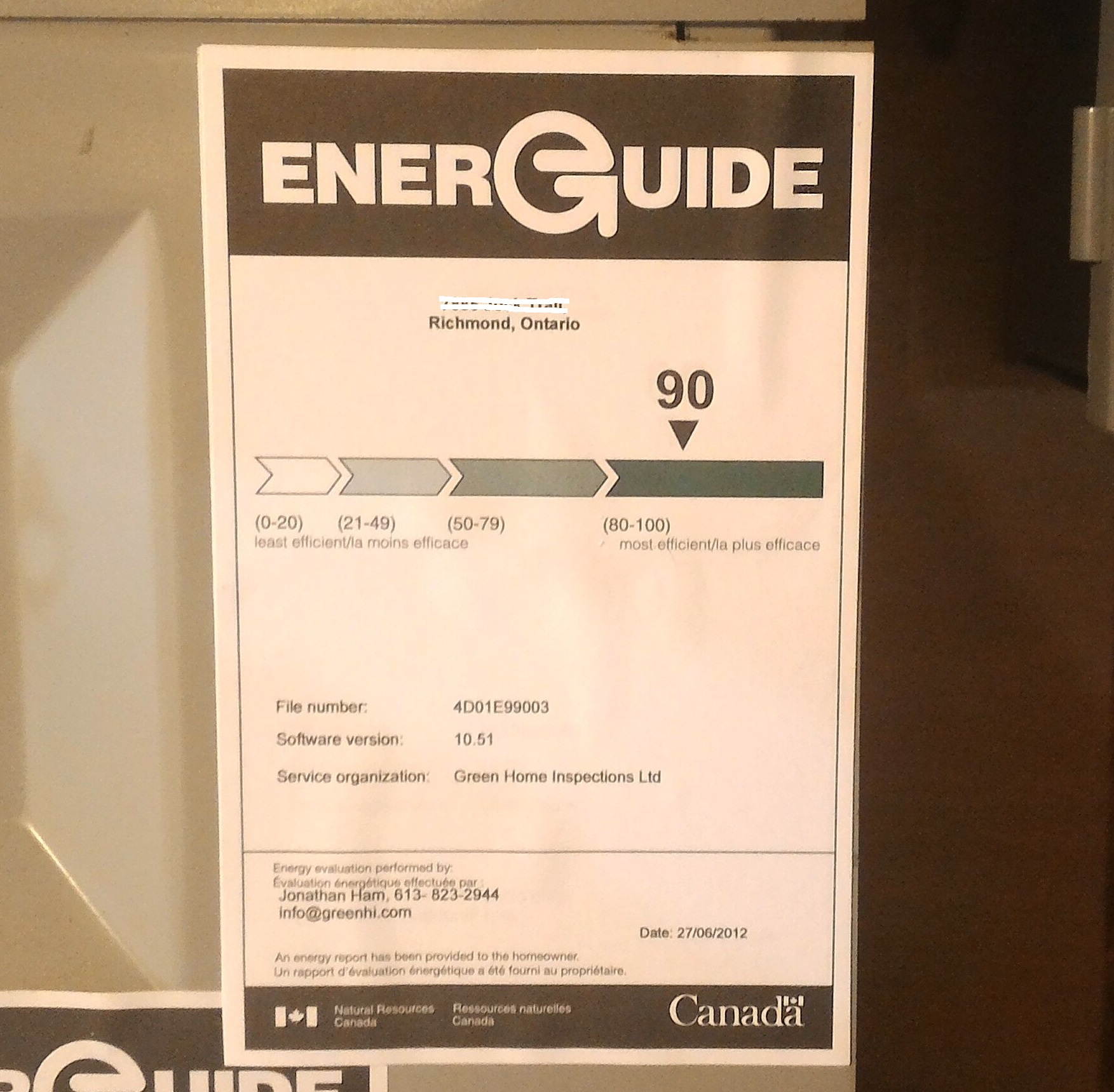
Our renovations boosted our EnerGuide efficiency rating to 90, which was ranked as one of the top energy-efficient retrofits in Canada at that time. An ATIP request showed that 17 homes had been rated higher than ours.
Not only does my green home show that it IS possible to take personal action that makes a real difference in the climate fight, but energy expenses decline dramatically, the home is ready for an ice storm or grid blackout, it increases occupant comfort & safety, it stablizes & optimizes the power grid, and it increases equity in future housing stock.
Homes can get older ... and get better.
As part of our commitment to sustainability, we were the first home in eastern Ontario to mount 10 kW of solar panels on our rooftop under Ontario's new feed-in tariff. The annual output of 9,000 kWh was not counted towards our home's NetZeroPLUS status (all output was sold to the provincial grid at 80¢/kWh and could not be used inside the home) but the metal roof increased the efficiency of the panels, another demonstration of how a holistic integration can benefit individuals and society.
|
To put our investment in context:
In 2005, the average EGH (EnerGuide for Housing) rating for all Canadian homes that had been assessed (a self-selecting universe of energy-conscious homeowners) was 66. Of homes built in the 1980s, the average 'start' rating (before renovations) was 65, and 72 for the 'finish' rating (after all upgrades are complete). To qualify as R-2000, a new house must be EGH 80. NRCan reports that, as of 2012, 17 houses in Canada had scored above EGH 90.
|
Bill Eggertson has been involved in the renewable energy sector since 1985, managing the canadian association for renewable energies (we c.a.r.e.), the Canadian Chapter of the International Ground Source Heat Pump Association, the Earth Energy Society of Canada, the Solar Energy Society of Canada, as well as contract positions with the Canadian Solar Industries Association and the Canadian Wind Energy Association, among others. He was senior editor for major renewable energy publications in the UK (RenewableEnergyFocus) and the US (SolarAccess.com). He was manager for the UK government's Climate Security initiative in Canada, and was trained by Al Gore under The Climate Reality initiative to explain the implications of anthropogenic emissions of greenhouse gases. His strong commitment to the environment was the basis for his selection as a torchbearer in the 2010 Olympic relay. He now manages NetZeroPLUS Canada to promote measures which impact the energy / environmenal challenge.
|
|